THE THANKSGIVING TABLE / THE PLAN
What to Make Ahead for Thanksgiving—and What to Leave Until Thursday
Move the right jobs off the day itself. A practical guide to planning, preparing, chilling and finishing Thanksgiving dinner without sacrificing texture.
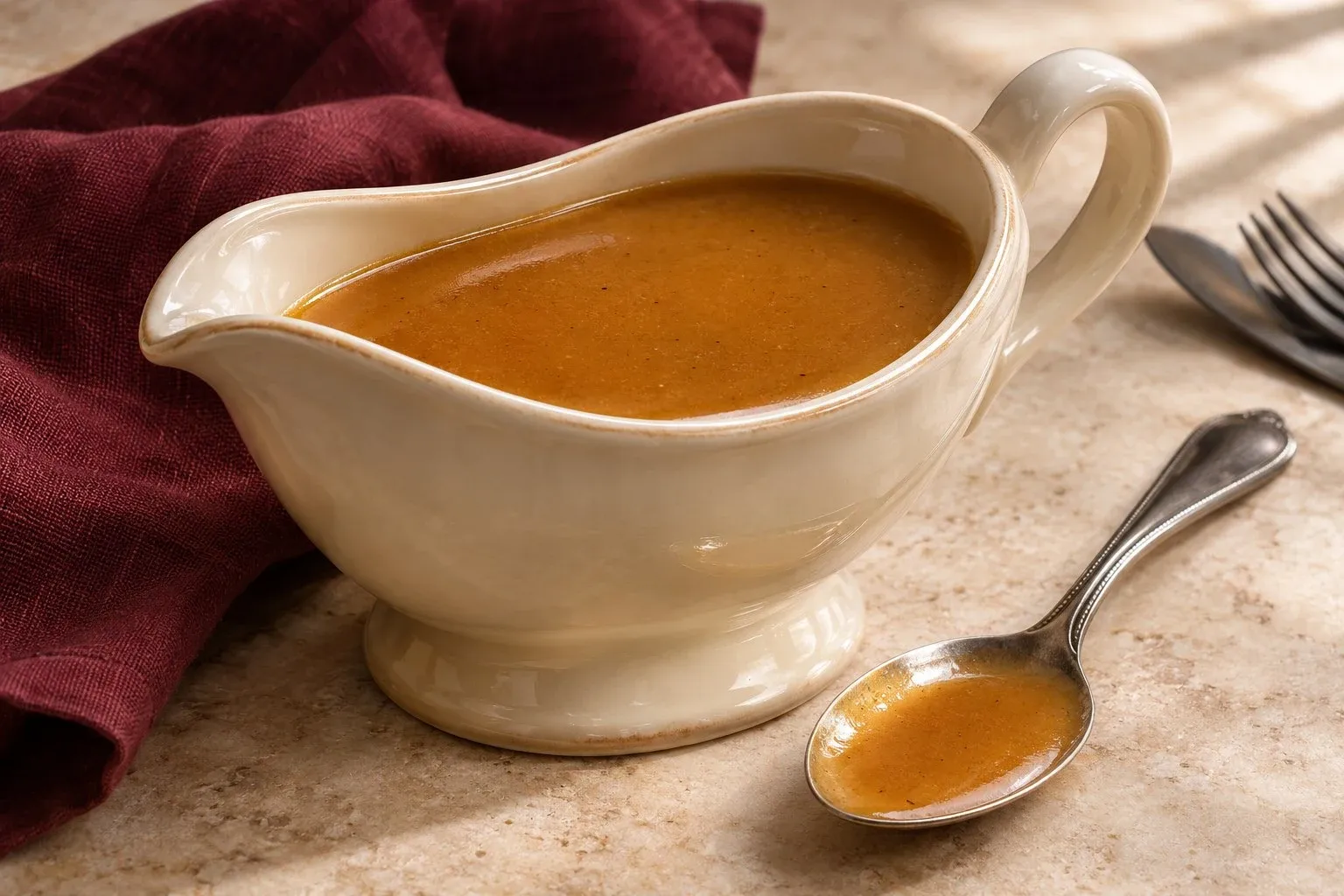
The useful question is not how much of Thanksgiving you can cook in advance. It is which work can move without making dinner worse. Stock can wait. A dressed salad cannot. An empty refrigerator shelf may be more valuable than another finished side dish.
Use this sequence to organize your own recipes, then follow each recipe’s specific method and storage instructions. The goal is a short, realistic list of jobs for Thursday—not a refrigerator full of food with no plan for warming it.
A week ahead: solve the space problem
Confirm the menu, guest count and dietary needs. Assign every dish a pan, a serving piece and a place in the oven or on the stove. Check that the turkey fits the roasting pan and that the pan fits the oven.
Shop for shelf-stable ingredients and clear refrigerator space. If you make stock this early, freeze it promptly after cooling safely rather than holding it in the refrigerator until Thanksgiving. Follow the turkey supplier’s refrigerator-thawing directions for the size of your bird and leave enough time.
Make ahead by component. Keep the final touches for the moment they matter.
Two days ahead: prepare the foundations
Make the components that your chosen recipes explicitly allow you to prepare ahead: stock, a gravy base, cranberry sauce or pastry dough. Label containers with the preparation date. Keep crisp toppings separate from moist components.
Do not use a large pot as a cooling container. Divide cooked food into shallow containers and refrigerate promptly. Keep the refrigerator at 40°F or below; perishable food should be refrigerated within two hours, or one hour when the surrounding temperature is above 90°F.
Wednesday: finish the work that holds well
Wash and dry greens, measure ingredients and prepare vegetables where the recipe permits. Store each component covered and separately. Leave delicate herbs, crisp garnishes and final salad dressing for service.
If you fully cook a casserole ahead, plan both safe chilling and thorough reheating. A refrigerated pan needs more time than a freshly assembled warm one, and the center may heat more slowly than the edges. Use a food thermometer rather than judging by a bubbling surface.
Set out serving dishes with a note naming their contents. Write the oven schedule and identify the jobs another person can take over: drinks, clearing dishes or dressing the salad.
Thursday: roast, reheat, finish
Follow your turkey recipe and verify doneness with a thermometer. USDA guidance calls for 165°F in the thickest part of the breast and the innermost parts of the thigh and wing. Cook stuffing separately if you want fewer timing variables.
Reheat previously cooked, chilled dishes to 165°F. Bring reheated sauces, soups and gravy to a rolling boil. A slow cooker is not a suitable tool for reheating cold leftovers; use a method that heats them promptly and check the temperature.
Dress salads close to serving. Add toasted nuts, breadcrumbs and fresh herbs at the end. Taste sauces after reheating and make the final seasoning adjustments then.
Keep a short list for the final hour
Write the last-hour tasks in the order they must happen: finish the roast, reheat the sides, finish the gravy, dress the salad and carve. Use your actual recipes to set the timing. An arbitrary universal countdown cannot account for your turkey, equipment and menu.
Choose a serving time that the kitchen can meet. If a side needs an extra ten minutes, a small adjustment is better than sending a cold center to the table.
After dinner: put the leftovers away
Refrigerate perishable leftovers within two hours of serving, or within one hour above 90°F. Portion turkey and other leftovers into shallow containers rather than leaving a large platter or pot to cool on the counter.
FoodSafety.gov lists three to four refrigerated days for cooked meat or poultry and for soups or stews. Count storage from when the food was cooked; food made ahead has already used some of that time. Freeze portions you will not use within the appropriate storage window.
Planning guidance by In The Dish. Storage and reheating temperatures are based on the federal food-safety resources linked below; individual recipes may require different preparation and storage methods.