THE THANKSGIVING TABLE / THE MENU
The Italian-American Thanksgiving Table
A generous holiday menu needs contrast, rhythm and room for the dishes that matter. Here is how to bring an Italian sensibility to the Thanksgiving table.
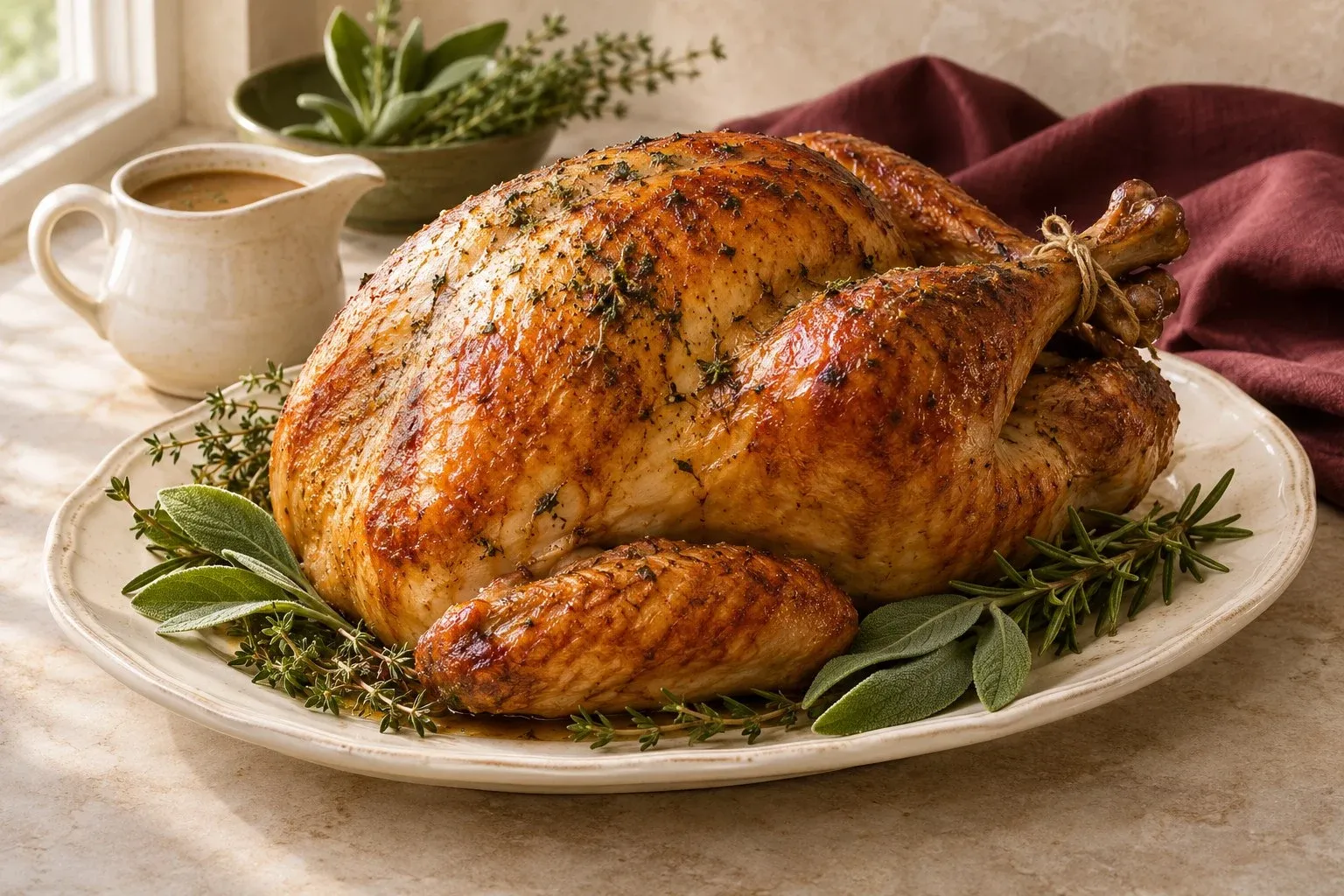
Thanksgiving can become a competition for space: on the plate, in the oven and in the afternoon. Adding an Italian course to that procession should give the meal a point of view. It should also leave everyone willing to eat the turkey.
Our approach begins with balance. Something briny before dinner. One comforting centerpiece. Vegetables that bring bitterness, acidity or a little char. A deliberate pause before dessert. This is a suggested menu framework, ready to adapt to the traditions at your own table.
Begin with appetite, not another meal
Put out a small plate of olives, shaved Parmigiano and a few pickled vegetables. Serve them in modest amounts and replenish only if needed. Their job is to welcome people while the kitchen finishes dinner.
An elaborate antipasto spread asks for preparation, refrigerator space and appetite that the rest of the menu already needs. Choose two or three things you like enough to serve simply.
Before adding a dish, decide what it contributes—and where it fits in the kitchen.
Decide where the pasta belongs
If pasta is essential to your Thanksgiving, give it an intentional place. Serve a small first course, or make one baked pasta the main vegetarian dish. Treating a full serving as an extra side is how a generous meal becomes an exhausting one.
For a first course, think of a modest portion with a focused sauce. For a baked dish, consider whether it competes with the turkey for oven space. Write that decision into the cooking schedule before committing to it.
Let the turkey remain the center
Rosemary, sage, garlic and lemon are a useful bridge between the holiday roast and an Italian-minded menu. Keep the accompaniments coherent: if the turkey is strongly herbal, let the gravy taste of the roast instead of adding another collection of flavors.
Keep the familiar dish your guests would miss. That may be stuffing, mashed potatoes or a particular cranberry sauce. A confident menu can make room for a tradition without trying to reinvent it.
Give the vegetables a different job
When the plate already has gravy, potatoes and stuffing, another soft, rich dish contributes less than you might think. Consider roasted squash alongside something green and slightly bitter, such as broccoli rabe or escarole.
A fennel, orange and radicchio salad is another direction: crisp, juicy and dressed just before serving. These are menu ideas rather than complete recipes. Choose a method you trust and plan its final preparation around the other dishes.
Build one menu that fits your kitchen
For a manageable table, choose turkey and gravy; one stuffing or substantial starch; two vegetable dishes with different textures; cranberry sauce or another sharp accompaniment; and one dessert. Add a small pasta course only if it has a clear place in the schedule.
Ask guests about dietary needs before shopping. A vegetarian guest deserves a satisfying main dish, and ingredient substitutions should be checked across the whole meal, including stock, cheese and sauces.
Write each dish beside the equipment it needs. If four things need the oven at different temperatures at the same moment, change the menu while it is still on paper.
Leave room for the last course
Set the table for a pause. Clear the savory dishes, make coffee and let dessert be its own occasion. Pumpkin pie can share the table with an Italian accent without requiring a second baking project: a bowl of clementines or a few good biscuits may be enough.
The best holiday menu has a recognizable point of view, but it also has an ending. Stop adding dishes when each one already has a reason to be there.
An In The Dish editorial menu-planning guide. Dish suggestions are ideas for building a menu, not standalone tested recipes.